What Happens When You Launch an EC2 Instance?
The Launch button hides a surprising amount of coordination. Here is the control-plane story, the data-plane result, and the checks that matter once the instance is running.
Read the articleBuild better systems
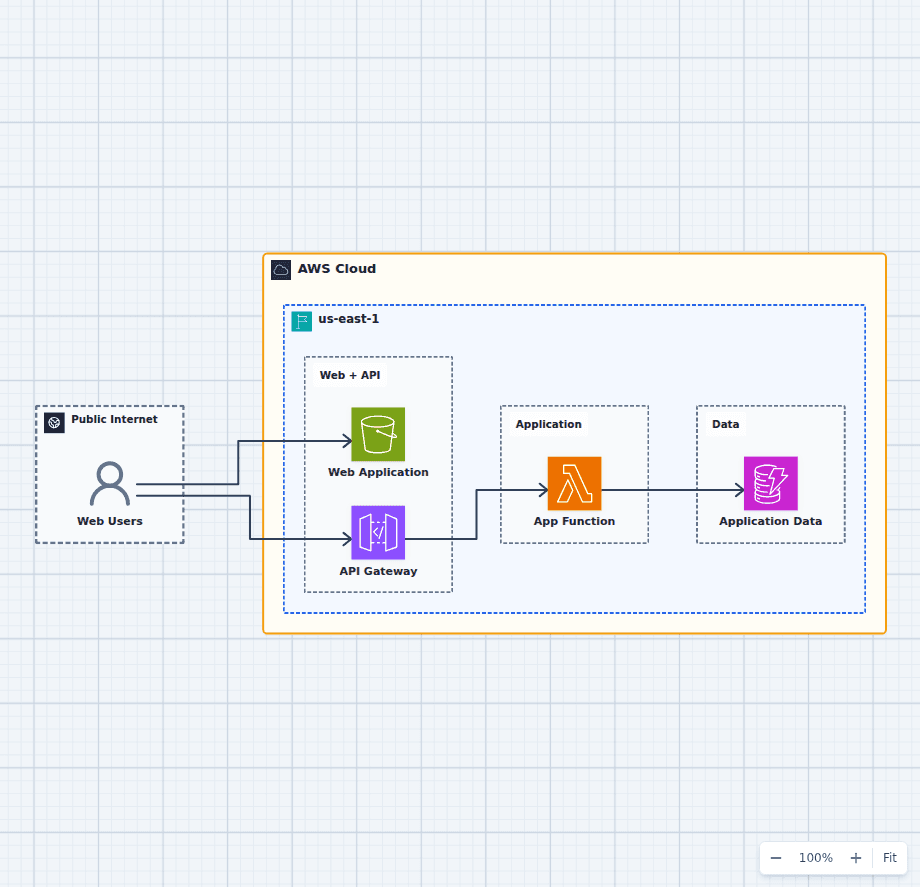
Practical guides for designing, operating, and paying for AWS systems, plus focused preparation for Cloud Practitioner and Solutions Architect Associate.
Start here

The Launch button hides a surprising amount of coordination. Here is the control-plane story, the data-plane result, and the checks that matter once the instance is running.
Read the article
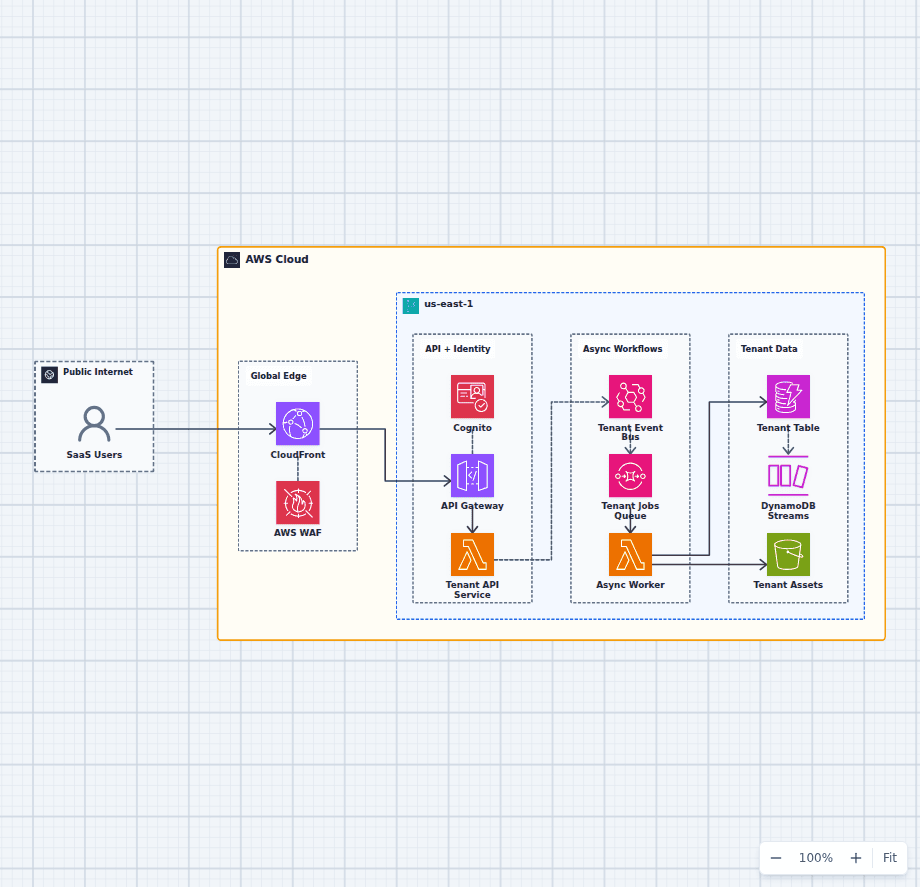
The biggest EC2 savings rarely come from one discount. They come from removing idle capacity, matching commitments to a stable baseline, and scaling the rest safely.
Read the article
AWS has hundreds of services, but a small group appears in most real systems. Learn these ten as architectural building blocks, not isolated definitions.
Read the articleAWS Certification
Study plans, service comparisons, practice questions, and architecture scenarios that teach the reason behind the answer.

Cloud Practitioner is easier when services form a mental map. This four-week plan combines the official exam domains, small labs, diagrams, and scenario practice.
Read the article
This is a service map, not an alphabetical glossary. Use the comparisons to recognize what an exam scenario is actually asking for.
Read the article
These questions focus on the small words that change the answer: managed, durable, private, lowest effort, audit, estimate, and alert.
Read the article
SAA-C03 tests architectural judgment. Build a decision matrix, trace real diagrams, and practice explaining why three plausible answers lose to one requirement.
Read the article
Most SAA questions are variations of a small set of architecture decisions. Learn the requirement that selects each pattern and the distractor that almost fits.
Read the articleArchitecture field guides

ALB understands web requests. NLB moves network connections with very low overhead. The right choice follows from the protocol and routing behavior your application needs.
Read the article
The right AWS database follows from access patterns, consistency, scale, and operations. Start with the data model instead of choosing the newest service.
Read the article
S3 stores objects, EBS provides block devices, and EFS provides a shared filesystem. The interface your application expects is the clearest place to start.
Read the article
Choose EC2 for control, Lambda for event-driven units of work, and Fargate for managed container capacity. Real systems often use more than one.
Read the article
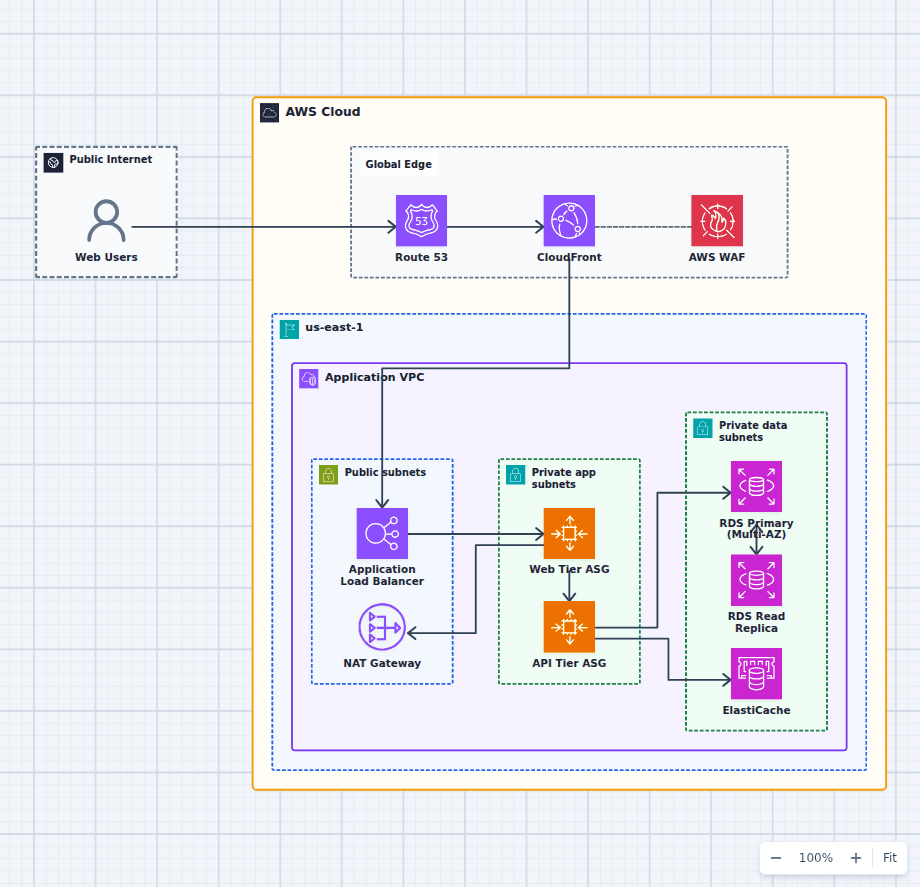
High availability is not a product switch. It comes from removing single points of failure and proving the application can keep serving when a component or zone fails.
Read the article
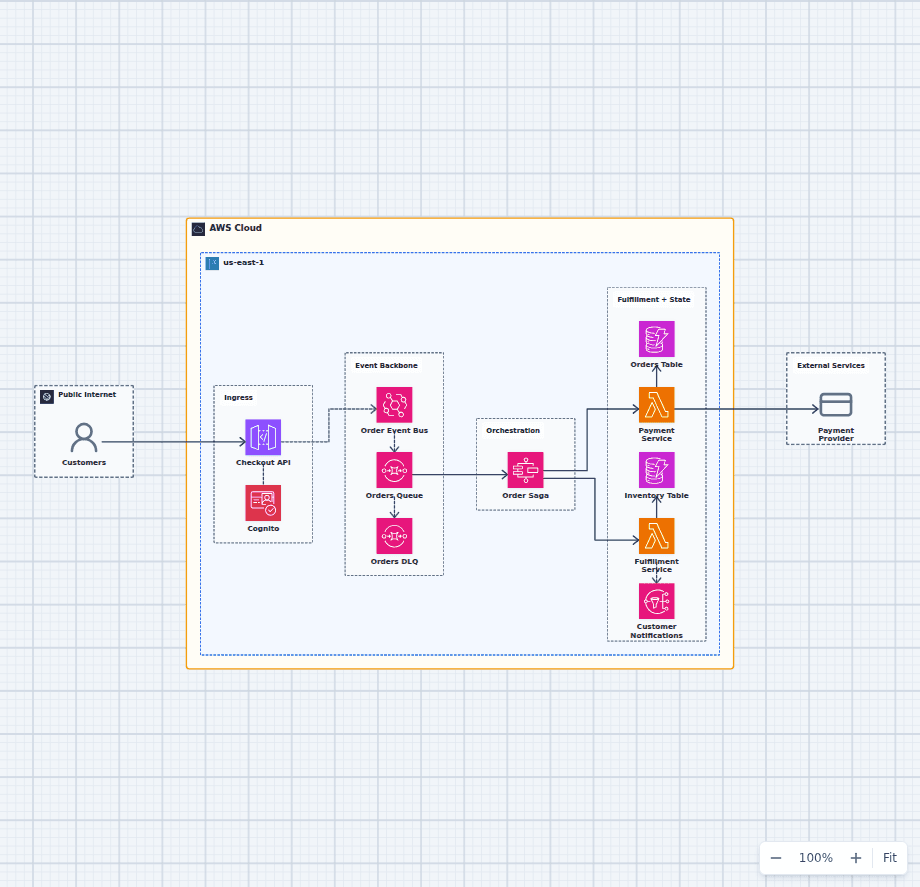
SQS buffers work, SNS pushes one message to many subscribers, and EventBridge routes events by meaning. Mature event-driven systems often combine them.
Read the article
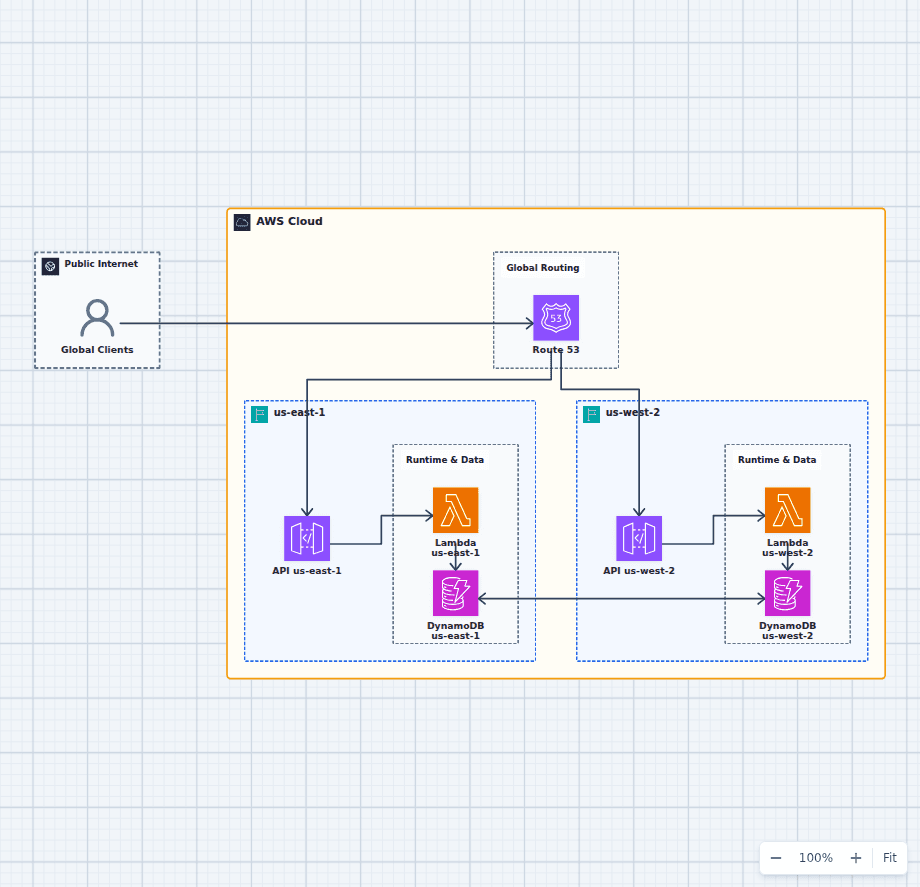
Multi-region design is a business continuity decision. The right pattern follows from recovery objectives, data behavior, operational maturity, and budget.
Read the article
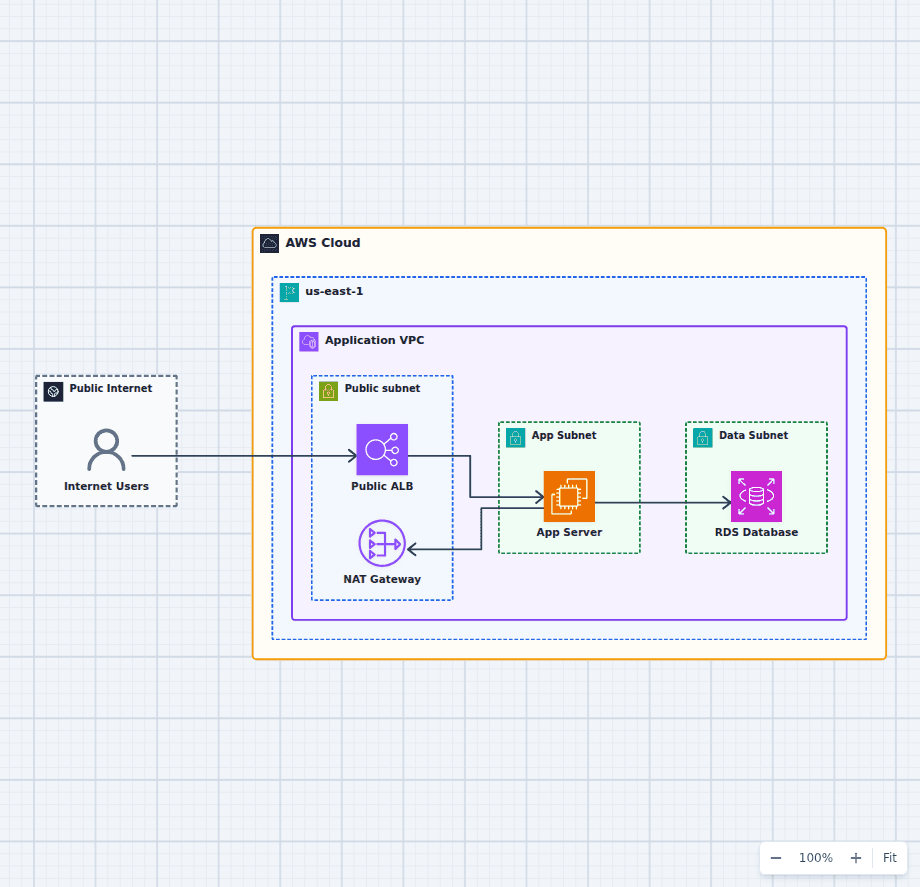
A VPC is not just a private network. It is a collection of routing, addressing, and security decisions that determine exactly how workloads communicate.
Read the article
AWS security is a system of identity, data, network, detection, and recovery controls. One locked-down security group is not a security architecture.
Read the article
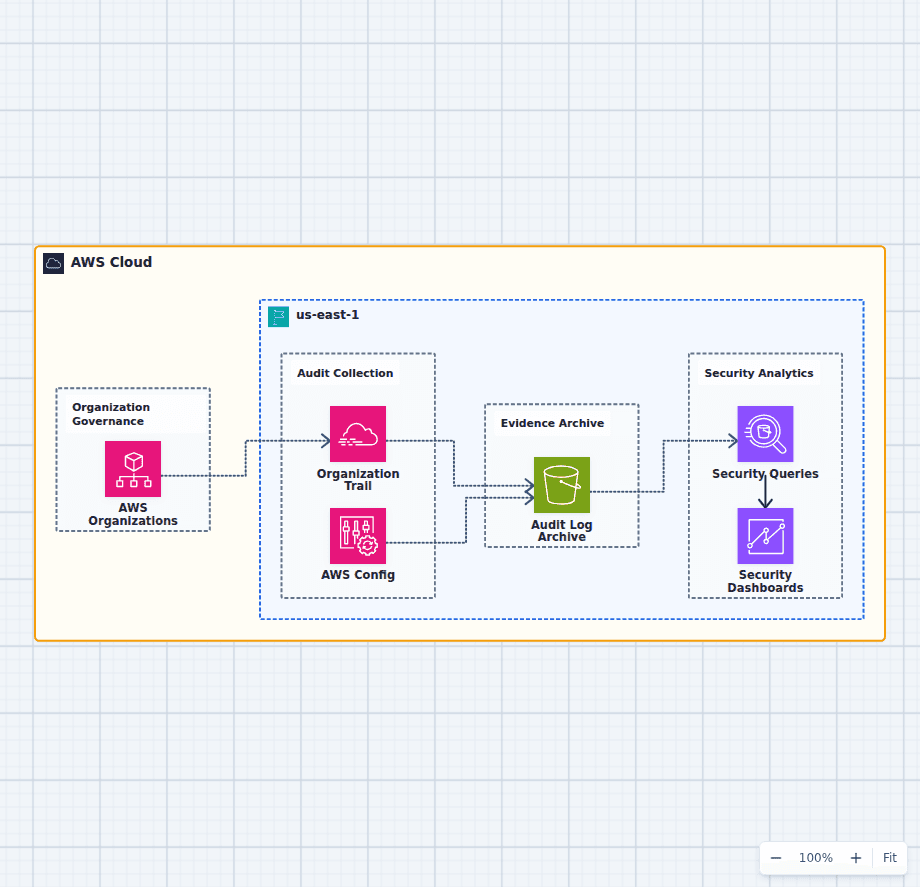
Metrics tell you that customers are hurting. Traces show where a request spent time. Logs explain local detail. CloudTrail records control-plane activity.
Read the article
A useful RAG system is a data pipeline plus a retrieval system plus a model call. Most production risk lives outside the final prompt.
Read the article
An AI agent becomes a production system when model decisions can cause actions. Safe architecture constrains those actions and records every important step.
Read the articleFrom Boris B's archive
Adapted from earlier DEV articles with refreshed guidance, diagrams, and links.

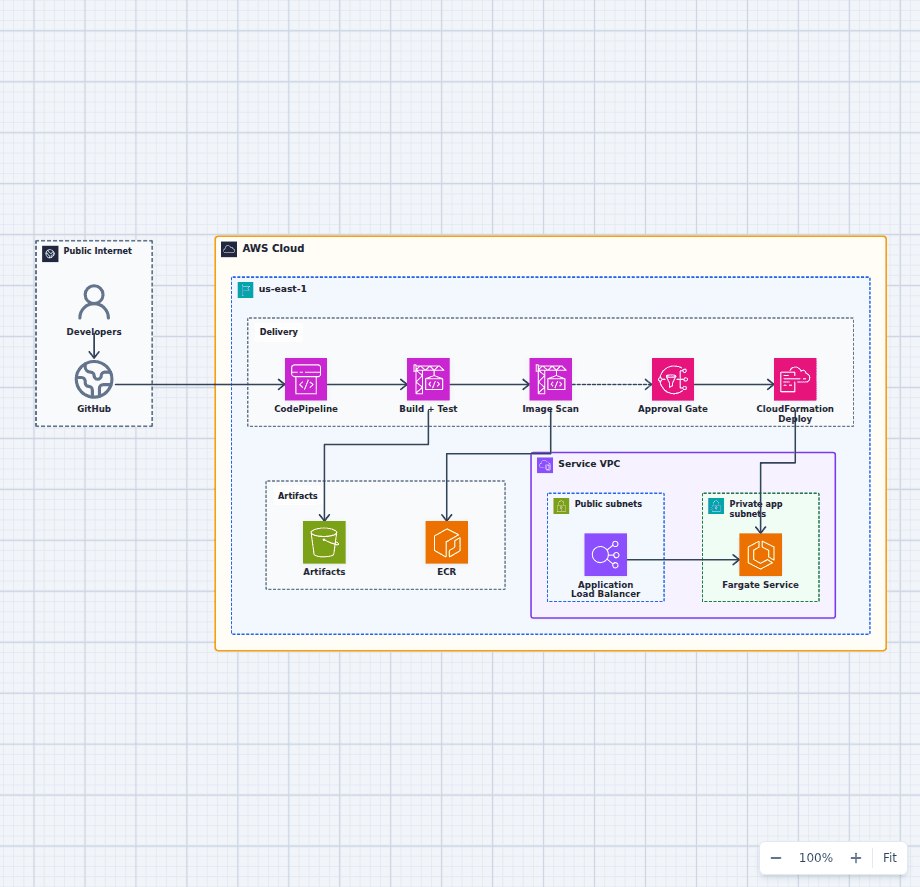
Real-time systems need frequent change without turning every release into a global gamble. The answer is smaller exposure, useful signals, and fast recovery.
Read the article
Automation moves code quickly. Release management controls exposure and business timing. Strong teams use both without turning either into ceremony.
Read the article
A small demo, event flyer, or portfolio page can start with an AWS-provided URL. Here is the quick S3 path and the security boundary to understand first.
Read the article
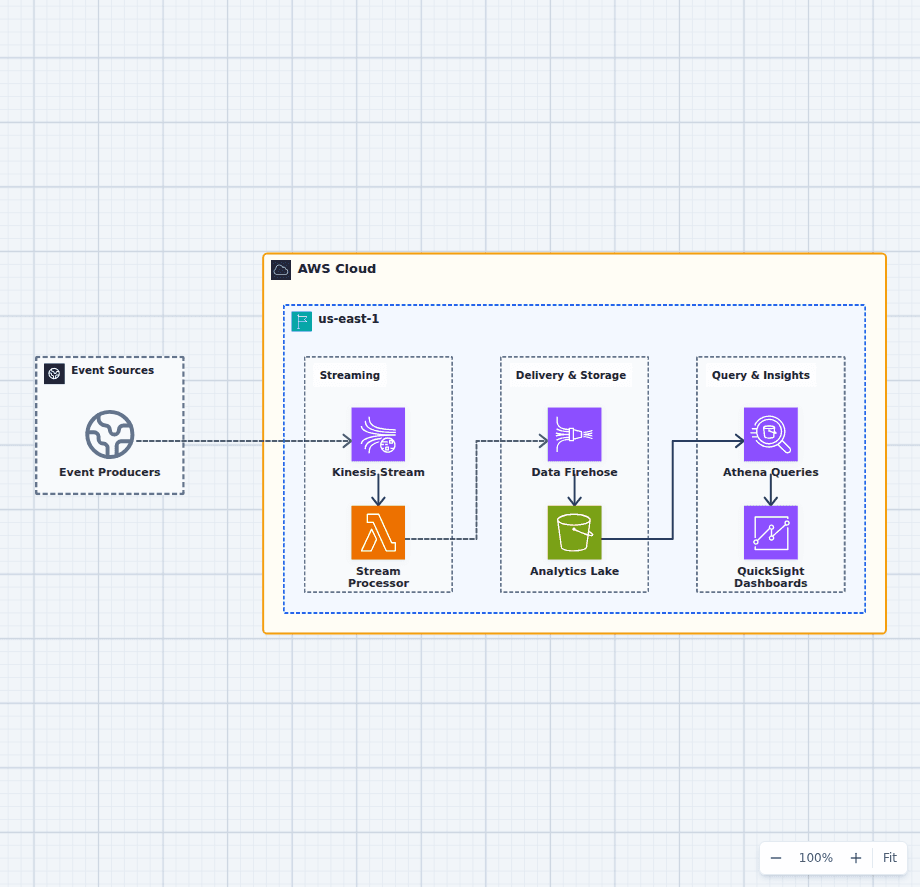
Latency measures how long one request takes. Throughput measures how much work the system completes. Tuning one without watching the other can make performance worse.
Read the article
Some failures do not throw errors or turn dashboards red. They break an assumption quietly and keep the system healthy enough to escape attention.
Read the article
A strong internship is not measured by how much code you type. It is measured by how quickly you learn the system, reduce uncertainty, and become useful to the team.
Read the article
TTFB tells you how quickly a response begins. TTLB tells you when the response finishes. A fast start can still hide a slow transfer or an unusable page.
Read the article
A security clearance, a background investigation, and AWS GovCloud eligibility are related to government work, but they are not the same requirement.
Read the article