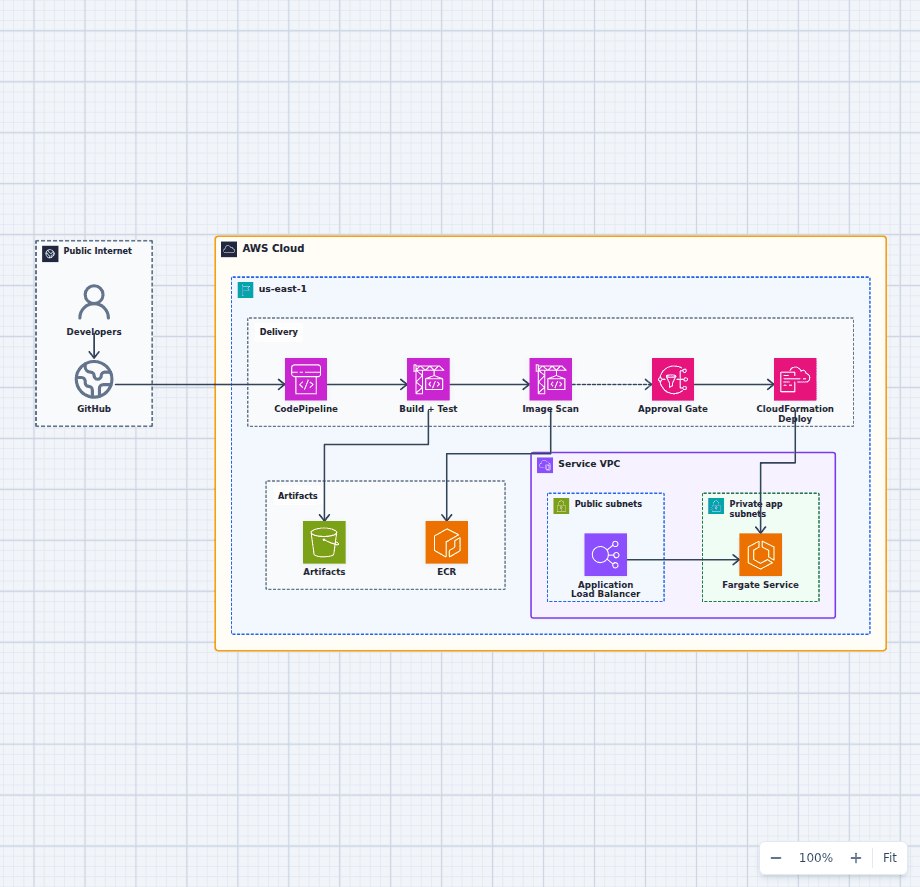
Distributed systems power streaming platforms, financial transactions, IoT networks, multiplayer experiences, and cloud applications. They may run across hundreds or thousands of processes. They also need constant updates for features, fixes, and security.
The operational problem is balancing speed with safety. Users expect a consistent experience, and a small change can travel through a large fleet quickly.
Use feature flags to separate deployment from release
Feature flags let a team deploy code without exposing the new behavior to every user. A feature can start with internal traffic, one customer segment, or a small percentage of requests. If metrics deteriorate, the team can disable the behavior without rebuilding the entire deployment.
Flags also support experiments, but every flag creates state. Give it an owner, expiration plan, default behavior, and safe failure mode. Old flags become permanent branches unless the team removes them deliberately.
Deliver progressively
Start with one host, one shard, one Availability Zone, or a small percentage of traffic, depending on how the system is partitioned. Observe that slice before expanding.
The best canary represents production without carrying a dangerous blast radius. A canary that sees only synthetic requests can miss real data shapes. A canary that immediately receives the busiest tenant is not small.
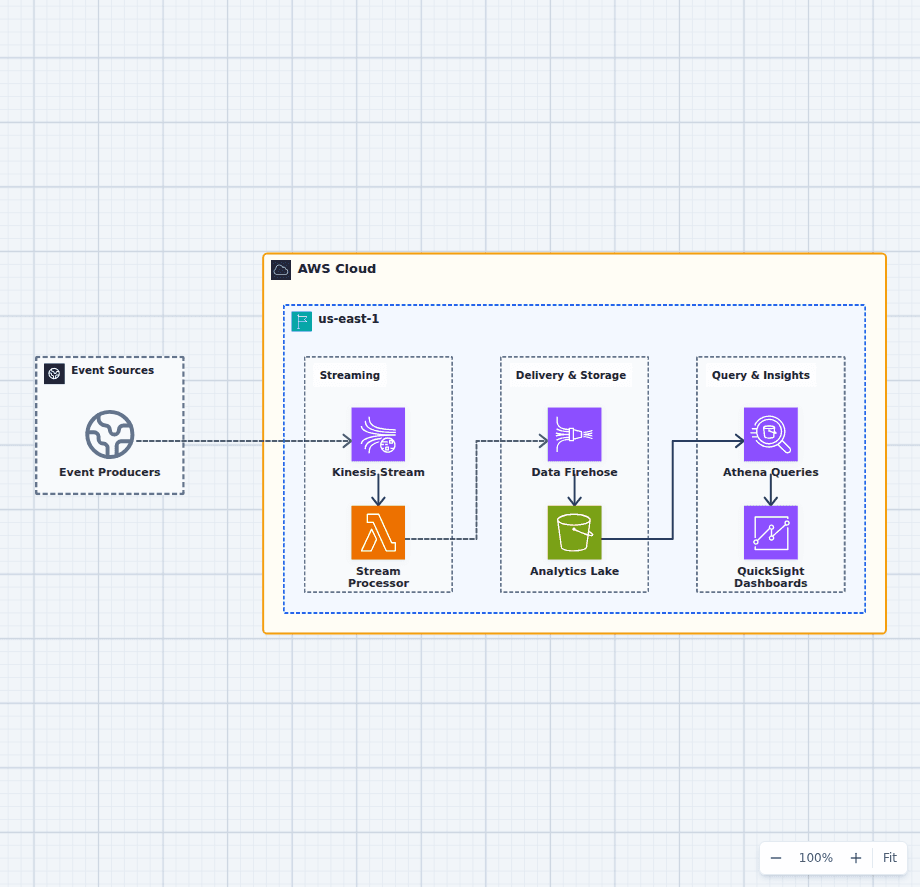
For a streaming workload, protect event freshness and correctness, not only host health. The real-time streaming analytics architecture is a useful map of the checkpoints that can lag or fail.
Monitor customer outcomes and system health
Track request latency, error rate, throughput, queue or stream lag, dropped events, retry volume, dependency errors, and resource saturation. Add a deployment marker so operators can connect a change to a shift in behavior.
Green infrastructure metrics can hide a broken customer outcome. A consumer may process records quickly while sending them to the wrong destination. Define success at the end of the business path.
Automate rollback carefully
Automated rollback can reduce impact when error rate or latency crosses a trustworthy threshold. It works best for reversible, stateless changes with a known healthy artifact.
Database schema changes, event contract changes, and one-way data migrations require compatibility planning. Rolling code back does not undo data already written in a new shape. Prefer expand-and-contract changes where old and new versions can coexist during the deployment window.
Control the blast radius
Deploy by cell, tenant group, Region, or other isolation boundary. Rate-limit the rollout itself. Keep enough healthy old capacity until the new version proves stable. Avoid changing application code, infrastructure, and a critical dependency in one indistinguishable event.
Practice failure before release night
Test cold starts, partial dependency outages, stale configuration, duplicate events, delayed messages, and a rollback under real load. The event-driven order processing architecture provides a good exercise for reasoning about retries and partial success.
Fast delivery and careful release management are not opposites. Smaller steps, better evidence, and reliable rollback let teams move faster because one mistake does not have to become a system-wide incident.